

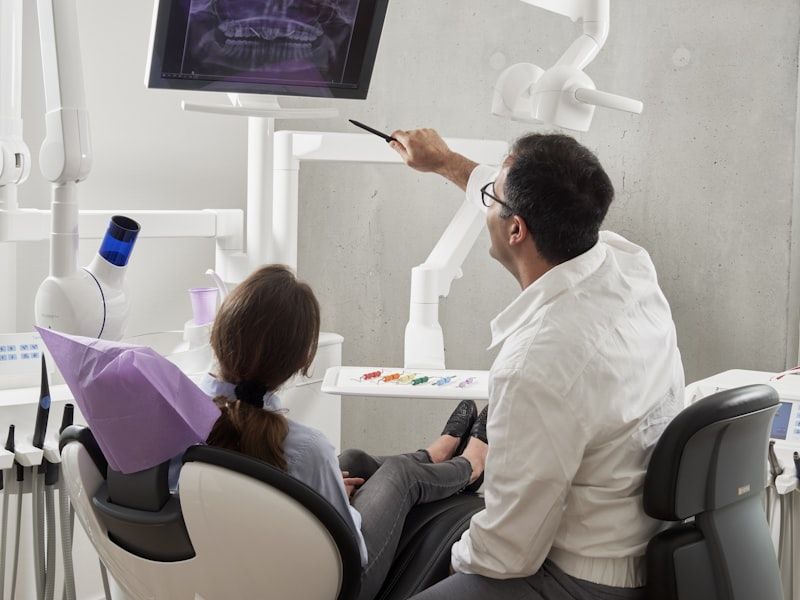
Congratulations on your new dentures! Whether you’ve just received your first set or had an upgrade, new dentures are a wonderful step towards eating, speaking and smiling with confidence again. As a Dental Prosthetist with over 20 years of experience crafting dentures, I want to share some practical tips that will help you get the most out of your new smile.
The First Few Weeks: What to Expect
It’s completely normal for new dentures to feel a little different at first. Your mouth needs time to adjust, and that’s okay. Most patients find that the initial sensation of fullness fades within the first week or two. You might notice increased saliva production — this is your mouth’s natural response and it settles down quickly.
If you experience any sore spots, don’t try to adjust the dentures yourself. Pop into our Kogarah clinic and we’ll make the necessary adjustments for you. It’s quite common to need a couple of fine-tuning visits in those early weeks, and that’s all part of the process.
Daily Cleaning: Keep Them Fresh
Good denture hygiene is just as important as brushing natural teeth. Here’s a simple daily routine that works well:
- Rinse after eating — Give your dentures a quick rinse under running water after meals to remove loose food particles.
- Brush daily — Use a soft-bristled denture brush (not a regular toothbrush) and a non-abrasive denture cleanser. Regular toothpaste can be too harsh and scratch the surface.
- Clean your gums too — Before putting your dentures back in, gently brush your gums, tongue and palate with a soft toothbrush. This stimulates circulation and helps keep the tissue healthy.
- Soak overnight — Most dentures need to stay moist to keep their shape. Place them in water or a mild denture-soaking solution overnight.
Eating with Dentures
Start with soft foods cut into small pieces during the first week. Things like scrambled eggs, yoghurt, mashed vegetables and pasta are great choices. As you become more comfortable, gradually reintroduce firmer foods.
A helpful trick: try to chew on both sides of your mouth at the same time. This distributes pressure evenly and helps keep your dentures stable. And while you’ll eventually be able to enjoy most foods again, it’s best to avoid very sticky or extremely hard foods like toffee, hard nuts or crusty bread rolls.
Storing Your Dentures
When your dentures aren’t in your mouth, always keep them in water or a denture solution. Letting them dry out can cause warping, and nobody wants a denture that doesn’t fit properly. Also, keep them somewhere safe — you’d be surprised how many dentures end up wrapped in a napkin and accidentally thrown away!
When to See Your Dental Prosthetist
Even with the best care, dentures need professional attention from time to time. We recommend a check-up at least once a year so we can:
- Check the fit — your mouth changes shape gradually over time
- Look for any signs of wear or damage
- Examine your gums and oral tissues
- Professionally clean and polish your dentures
Don’t wait for your annual visit if something doesn’t feel right. Loose dentures, persistent sore spots or any cracks should be looked at promptly. The sooner we address these issues, the simpler the fix.
A Few Things to Avoid
- Hot water — Never use boiling or very hot water on your dentures. It can warp the acrylic and ruin the fit.
- DIY repairs — Superglue and home repair kits can cause more harm than good. Always bring them to us for repairs.
- Abrasive cleaners — Bleach, harsh chemicals and abrasive pastes can damage denture materials and irritate your mouth.
Need help with your dentures? Whether you’re adjusting to a new set or it’s been a while since your last check-up, we’re here to help. Call us on (02) 9588 2200 or book an appointment online.